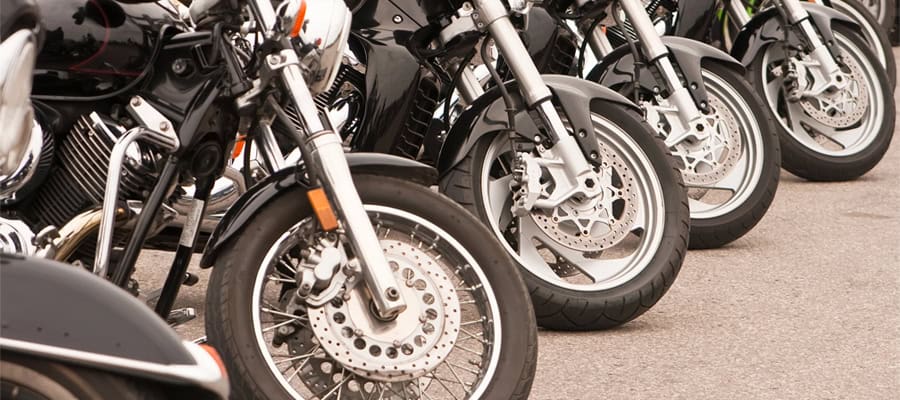
Spring is a popular time for motorcycling around the US, but the increase in riding does have an impact on the statistics on motorcycle accidents in Maryland. The Maryland Department of Transportation (MD MDOT) reports that there are almost 1,400 total crashes yearly involving motorcycles. With the changes in the weather, these collisions tend to start a gradual rise in April and May. Then, motorcycle accidents peak from June through August, when there are almost 560 total crashes. Based on the figures, around 40 percent of all motorcycle collisions happen during these three months.
Fortunately, there are laws to protect motorcycles, and complying with them enhances safety every time you ride. If you have not been on your motorcycle in a while, a reminder of the crucial regulations is useful. You should discuss legal remedies with a Baltimore County motorcycle accident lawyer if you were hurt, but you can also review a refresher course on Maryland traffic laws.
Helmet and Head Protection
Helmets prevent fatalities and massive head injuries from motorcycle accidents, but there are also laws that apply to some riders. In Maryland, all motorcyclists must wear a helmet that has certification from the US Department of Transportation. The DOT label will indicate which models comply with federal regulations. You must also incorporate some form of eye protection, such as goggles, a windscreen, or a face shield.
Compliance with Traffic Laws
All road users are required to follow the rules of the road in Maryland, depending on their role in the flow of traffic. Motorcycle riders must follow all traffic regulations that apply to motorized vehicles, such as:
- Speed limits;
- Use of turn indicators.
- Headlights, taillights, and other requirements for riding at night; and
- Laws on driving under the influence.
There are also laws that apply specifically to motorcycle riders, including a regulation that requires both hands to be on the handlebars.
Lane Usage by Motorcyclists
Another rule that applies specifically to motorcycles covers how riders can use lanes. These vehicles are much slimmer, allowing more space in the lane. Riders may take up the entire lane while maneuvering in traffic, even though they do not occupy the full width. Two riders are also allowed to share a lane width. However, motorcyclists cannot engage in lane splitting, where they travel down a middle, unofficial lane when cars are stopped in traffic.
Engine Size
If you are riding on an expressway, controlled access highway, or road where the speed limit is 50 mph or above, you need to check the engine size of your motorcycle. Only motorcycles with 70 cubic centimeters or more are allowed, i.e., 70 cc engines.
Consult with a Maryland Motorcycle Accident Attorney About Your Rights
These are important laws for riders who must comply with traffic regulations, but they are also critical from a safety standpoint. If you were hurt or lost a loved one, please contact Michael A. Freedman to schedule a free consultation at our Owings Mills or Glen Burnie offices. You can speak to a Maryland motorcycle accident lawyer by calling 410.363.6848 or going online.